 Business License

Characteristics of Artificial Granite
Characteristics of Artificial Granite
▲ Material Composition and Preparation
Artificial granite, also known as resin concrete or resin-based composite material, is primarily made from natural granite as aggregate, combined with epoxy resin as a binder, and supplemented with appropriate fillers and diluents. Through curing, these raw materials polymerize to form a new type of material. This material is currently highly regarded in the international machinery industry, as its performance is comparable to traditional cast iron. Therefore, it is often used to replace traditional cast iron in the manufacture of key components such as machine tool beds, bases, beams, and columns.
Artificial granite, also known as resin concrete or mineral casting, is an innovative composite material. Its key components include modified epoxy resin and a curing agent as binders, while granite and quartz sand particles serve as aggregates. Through scientific gradation and the addition of various additives, and a refined processing procedure, this high-performance material is ultimately synthesized.
▲ Physical Properties and Advantages
Compared to steel, artificial granite exhibits superior vibration damping properties, with a damping effect six times that of metals. It also possesses excellent corrosion resistance, a low coefficient of thermal expansion (only one-twentieth that of metals), and good electrical insulation. In its manufacturing process, artificial granite demonstrates design and manufacturing flexibility, short processing cycles, high demolding precision, and low-carbon environmental friendliness, enabling it to be perfectly integrated with any material.
Vibration damping capacity tests were conducted on 1.5-inch × 1.5-inch × 9-inch casting material samples at 70 degrees Fahrenheit. The results showed that resin concrete had a significant damping effect, with its vibration damping capacity being 45 times that of alumina, 10 times that of cast iron and steel, and 4 times that of granite.
▲ Application scenarios and history
Replacing cast iron, resin concrete is applied in the machine tool's bed, base, beam, column etc., showing excellent shock absorption, reaching 10 times the level of cast iron. Meanwhile, its high precision characteristics make it possible to achieve straightness, flatness, parallelism within 3-5um/m. Due to the use of room temperature casting process, there is no need for tempering treatment and stress relief, so the stability excellent and it is not easy to deform. In addition, resin concrete also has the advantage of energy saving and environmental protection, with almost no pollution in the entire production process, and materials can be recycled. This scientific research achievement not only has the potential to reduce the use of metal materials in machine tools by 80%, but is also likely to trigger changes in the machine tool industry, thereby reducing environmental problems caused by metal smelting. As early as 1917, Schleicher in Germany proposed the idea manufacturing the bed of a lathe with reinforced concrete. Subsequently, in the 1940s, the German Beringer Company began mass-producing practical concretehes in order to save steel. Its cast iron spindle box, tailstock and other components are connected to the concrete base through bolts.
02
The Application Advantages of Mineral Casting
▲ Excellent molding and integration capability
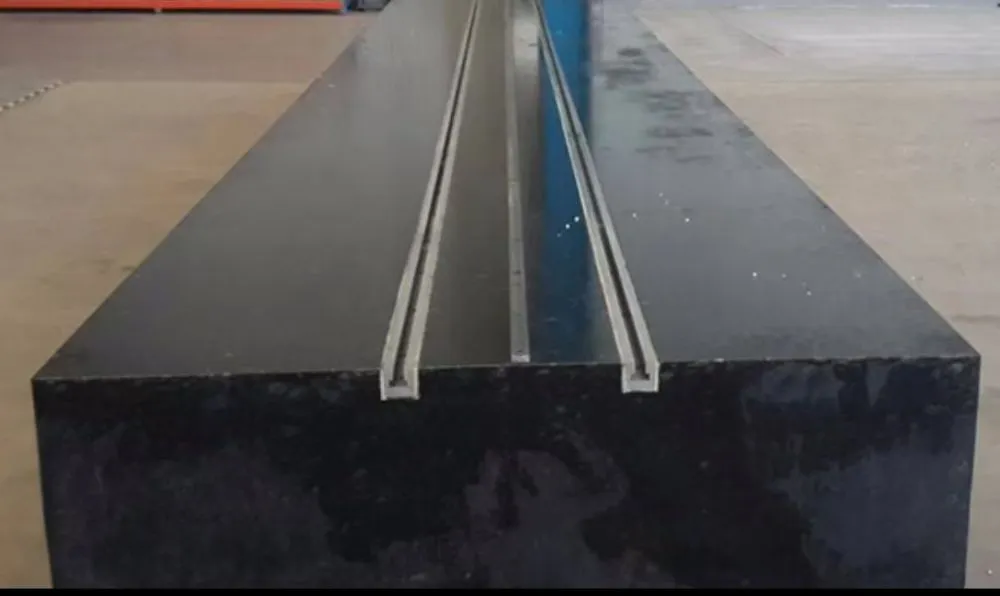
Mineral casting, a futureoriented and environmentally friendly material, has shown significant advantages in the field of machine structural parts. Its core characteristics include: the ability to cast complex shapes that traditional cast iron cannot achieve under temperature conditions, thanks to its unique process flow and material properties. With special bonding technology, even more complex and variable shape designs can be created. In addition, its powerful integration capability pipelines for delivering cutting fluid, molds, guide rails, cables, oil pipes, air pipes, and connecting parts to be directly cast into the mineral casting. For instance, during production of machine tool bases, the guide rail mounting plate can be formed integrally with the mineral casting, eliminating cumbersome assembly steps. Subsequently, by machining the guide rail plate, the required installation surface accuracy can be achieved. In some high-precision mineral casting processes, certain surfaces of the casting can even directly serve as the installation surface for the guide, further simplifying the production process.
▲ High precision performance
The thermal contraction rate of mineral castings is extremely low, and there is no local contraction phenomenon, which makes precision far exceed traditional cast iron. In many application occasions, mineral castings can often be formed at one time without additional machining. Even if higher precision is required, it is necessary to easily achieve the required standards through simple milling and grinding operations, thus improving the precision of the overall machined parts.
▲ Excellent shock absorption and thermal stabilityMineral castings perform exceptionally well in terms of shock absorption, with a shock absorption capacity more than 10 times that of traditional cast iron. For large vibrations, mineral cast can effectively absorb them, ensuring the high precision of the machine. For example, in machine tool manufacturing, mineral castings are used as machine beds, which can effectively reduce motor vibration the impact of the carriage on the machine bed during transportation, thereby ensuring the precision of the machine tool. Mineral castings show excellent stability in the face of temperature changes. Its conductivity is much lower than that of metal, which makes the geometric size error of the machine tool due to heat absorption effectively controlled within the smallest range, thereby ensuring the high precision the machine tool.
▲ Corrosion resistance
Mineral castings have excellent corrosion resistance to cutting fluid, coolant and other liquids. Because of this, a cavity mineral castings can be designed in the machine bed of the machine tool to directly store these liquids, which simplifies the steps of cavity assembly and significantly improves production efficiency and economic benefits
Recently Posted
-
Why high-precision granite platforms are the cornerstone of high-end laser equipment
May 25, 2026Reasons why high-precision granite platforms become the cornerstone of high-end laser equipmentExcellent thermal stabilityThe coef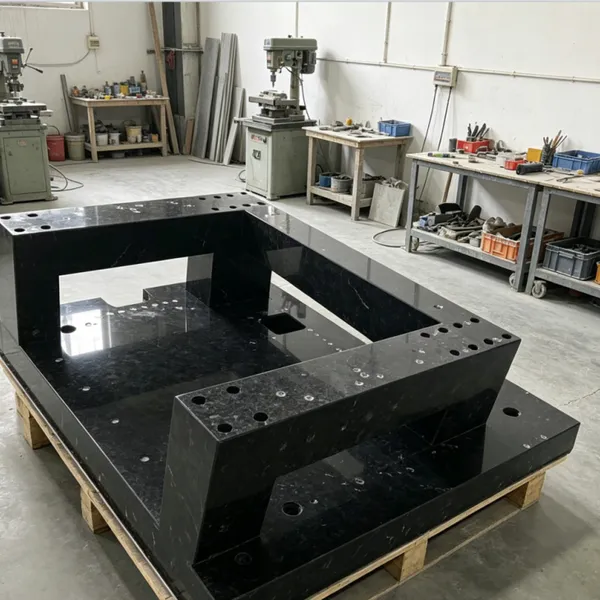 Read More
 -
Provide some successful cases of special-shaped machining for granite equipment bases
May 19, 2026Case 1: Integral Custom Machined Granite Base for CMMProduct Application:High-precision bridge-type CMM base with hollowed-out wei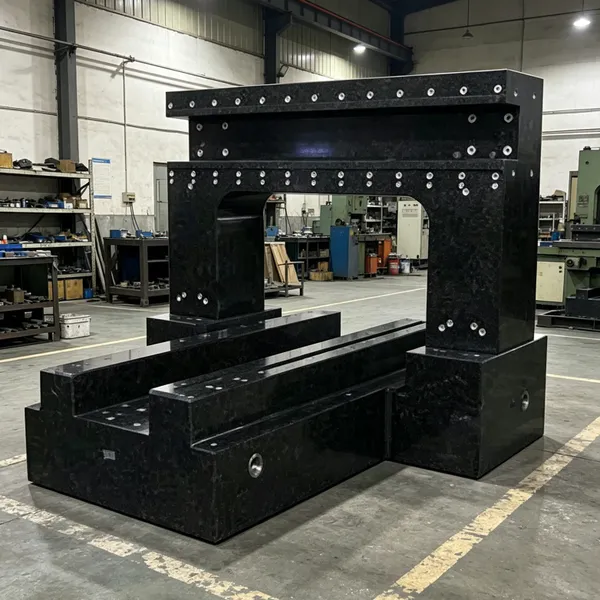 Read More
 -
The influence of humidity on precision granite surface plate
February 28, 2026The impact of humidity on precision granite slabs / marble platforms, the core is: granite itself is very stable, but humidity can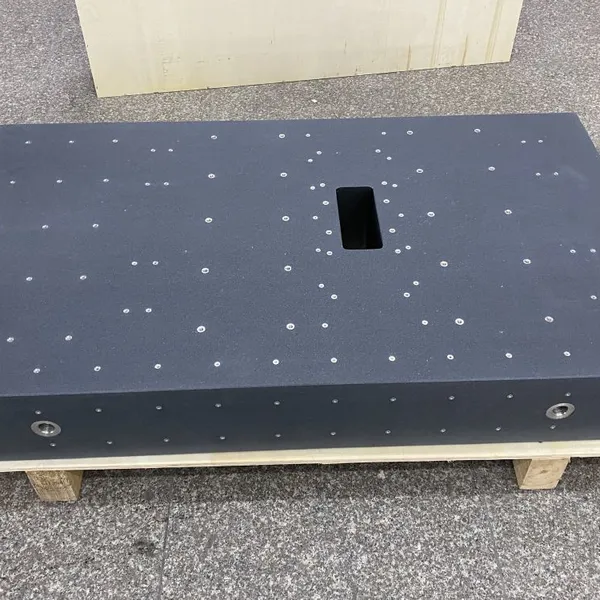 Read More
 -
Installation Requirements for Linear Guides on Marble Platforms
February 9, 2026In the process of industrial production, marble platforms are type of high-precision measuring reference surface, and their unique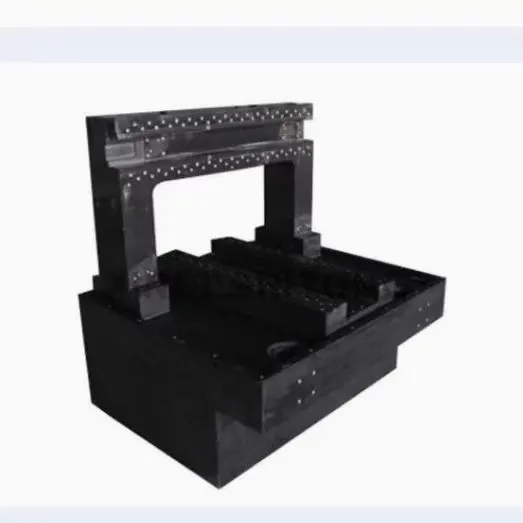 Read More

Contact Us
Recommended Products
-
 Marble Mechanical Non-standard Components Machine Base Inspection Platform Flat Plate Experiment Customization Special-shaped Components GraniteNegotiableMOQ: 1 Piece
 -
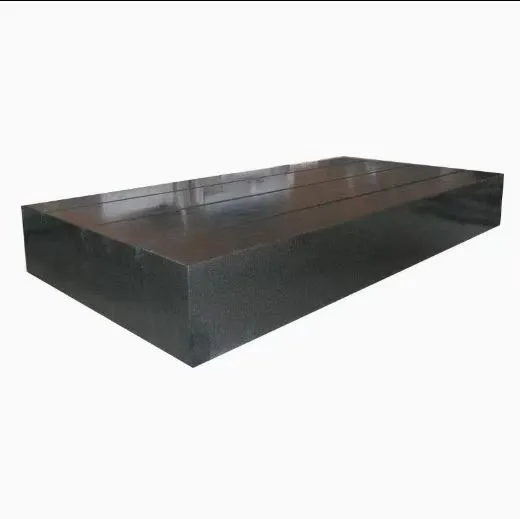
Marble Testing Platform High Precision 00 Grade Granite Testing Slab Granite Measuring Surface Inspection TableNegotiableMOQ: 1 Piece
-
High Precision 000 Grade Marble Measurement Inspection Test 90 Degree Granite Square Ruler; Flat Ruler; Angle RulerNegotiableMOQ: 1 Piece
-
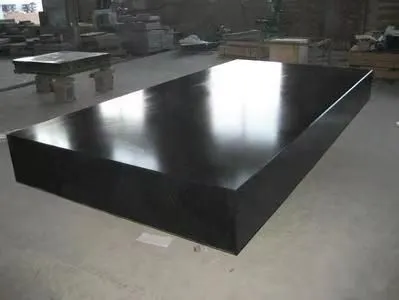
Granite Platform Inspection Platform Measurement 00 Grade Precision Inspection Flat Plate Granite Stone Horizontal Workbench ManufacturerNegotiableMOQ: 1 Piece
-
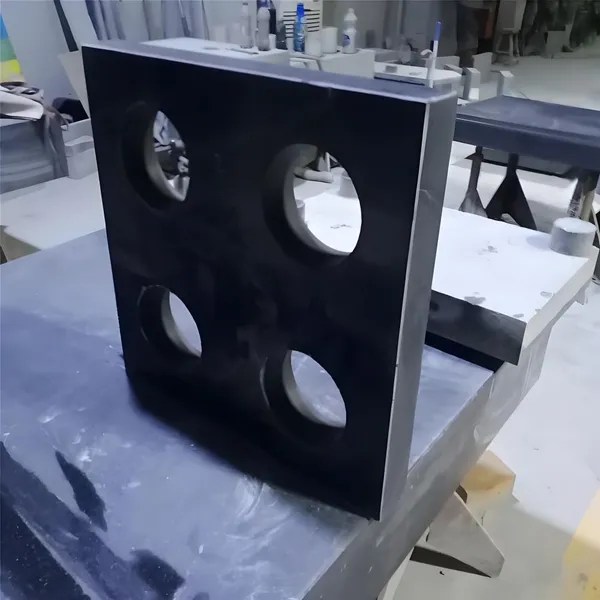
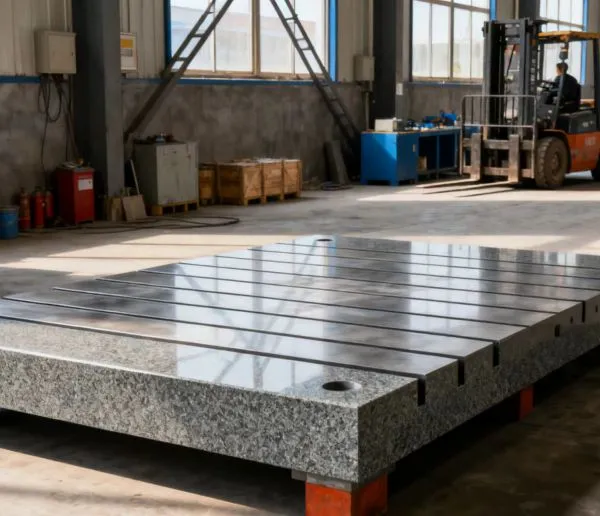
High Granite Surface Plate Granite Surface Plate Measurement Inspection Granite Workbench 00 Grade Bracket Custom DrillingNegotiableMOQ: 1 Piece
-
New Granite Inspection Surface Plate Drilling Component Base Precision Machine Tool Body Mechanical Cross Beam GraniteNegotiableMOQ: 1 Piece
-
00 Grade Jiqing Marble Testing Platform High Precision Granite Measuring Workbench Laboratory Inspection TableNegotiableMOQ: 1 Piece
-
Marble Straightedge Granite Ruler Parallel Flat Ruler Strip Ruler 00 Grade Marble Test Flat RulerNegotiableMOQ: 1 Piece
-
Marble Parallel Gauge 00 Grade Vertical Parallel Detection Inspection Measurement Marking Etc High PrecisionNegotiableMOQ: 1 Piece
-
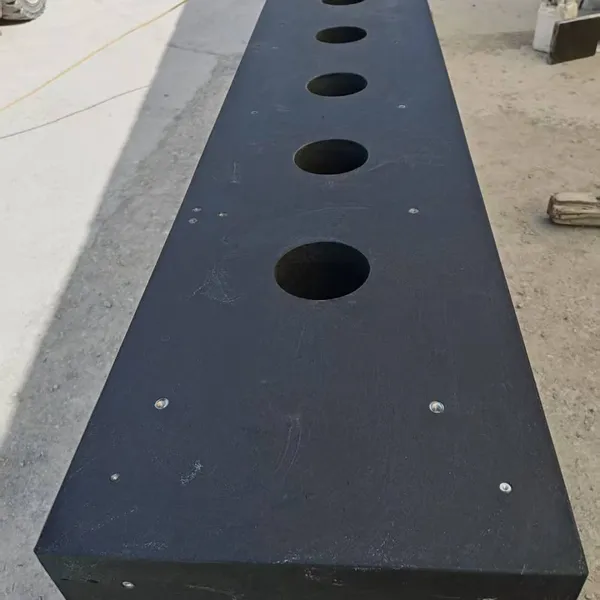
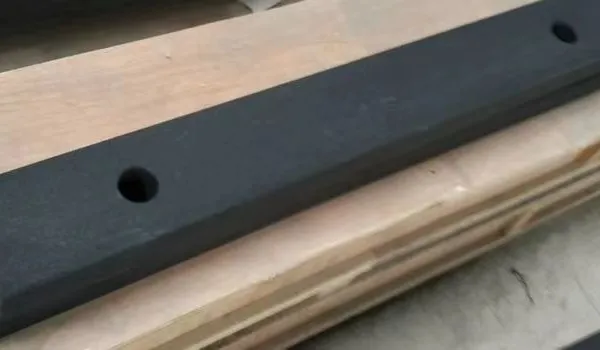
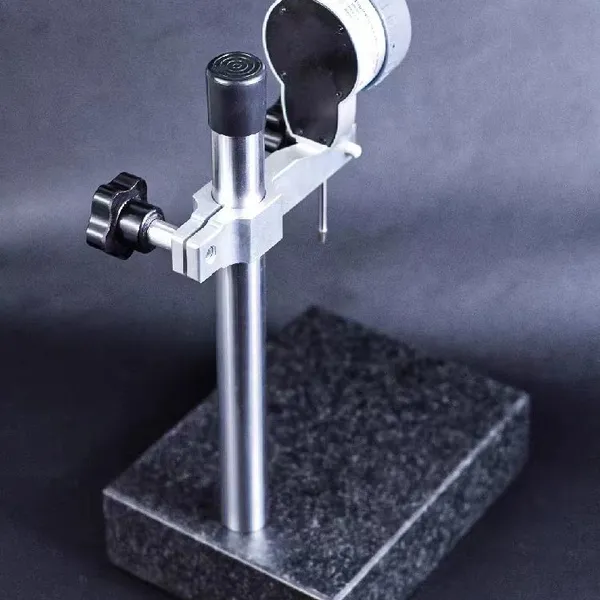
00 Grade Marble Test Bench Height Gauge Measuring Seat Marble Platform Dial Indicator Differential Indicator SeatUS$ 300 - 5000MOQ: 1 Piece
-
Marble Platform 00 Grade High Precision Granite Slab Grinding Inspection Line Inspection Platform Granite SlabUS$ 500 - 8000MOQ: 1 Piece
-
Jinan Qing00 Natural Marble Precision V-shaped Frame Natural Granite V-shaped Block Marking Line Level Shaft Type DetectionNegotiableMOQ: 1 Piece
-
Marble Square Box 00 Grade Natural Marble Square Box High Precision Precision Granite Square Box Inspection and Marking Square BoxNegotiableMOQ: 1 Piece
-
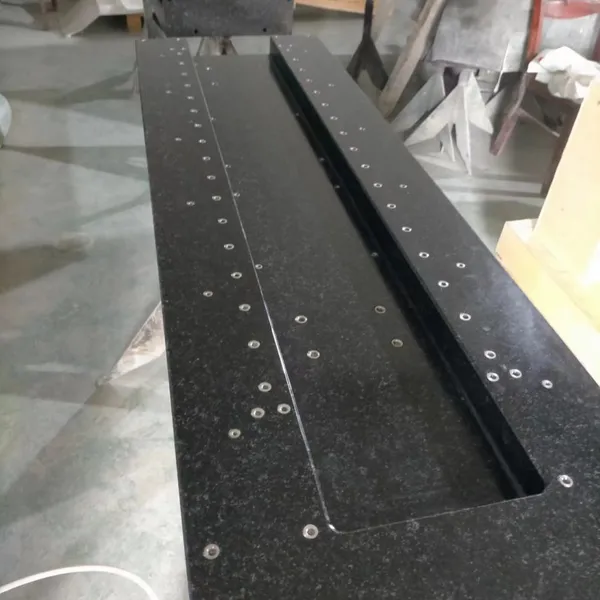
High Precision Marble Mechanical Components Machine Bed Base Guide Beam Threaded Gantry Drilling Processing CustomizationUS$ 800 - 10000MOQ: 1 Piece
-
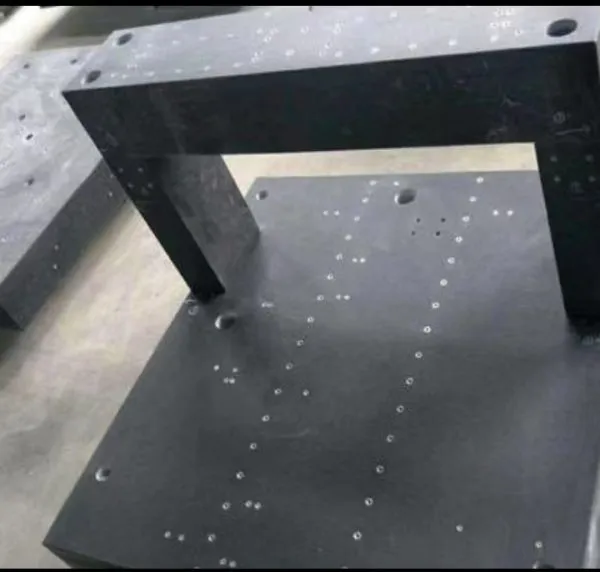
Marble Bed Body Gantry Components Three-axis Machine Frame Guide Rails Granite Optical Air Float Vibration Isolation Motion Platform CustomizationUS$ 300 - 10000MOQ: 1 Piece
-
Marble Straight Angle Rulerright Angle GaugeJinan Qing Stone Material 00 Grade High Precision 90 Degree Angle Ruler Direct SaleUS$ 100 - 2000MOQ: 1 Piece
-
00 Grade Marble Square Ruler for Testing Parallel Square Ruler Granite Inspection Square Gauge for Measuring Triangular Right Angle RulerUS$ 500 - 3000MOQ: 1 Piece
-
Marble Square Ruler 000 Grade; Jinan Granite Square Ruler 90 Degree Vertical Square Ruler High Precision Line Marking MeasurementUS$ 100 - 2000MOQ: 1 Piece
-
Marble Platform With Thickened Square Steel Bracket 00 Grade Adjustable Level Support Frame Adjusting Jacking Platform Base Granite Slab BottomUS$ 300 - 2000MOQ: 1 Piece