 Business License

Flatness Measurement: Diagonal Method
Flatness measurement of marble platform using the diagonal methodElectronic level diagonal method: Unlocking new horizons in the flatness measurement of granite precision platforms
I. Preparations before measurement: All set, just need to measureFirstly, we need to ensure the stability of the measurement environment. Place the granite precision platform in a place with relatively stable temperature and humidity, and no vibration interference, to avoid factors affecting the measurement results. Next, prepare a high-precision electronic level. Compared with traditional levels, electronic levels have the advantages of high precision, easy data reading, and the to connect to computers for data analysis. Before use, the electronic level should be calibrated to ensure it is in the best working condition. At the same time, prepare a table electronic document to record the measurement data, which is convenient for subsequent data organization and analysis.
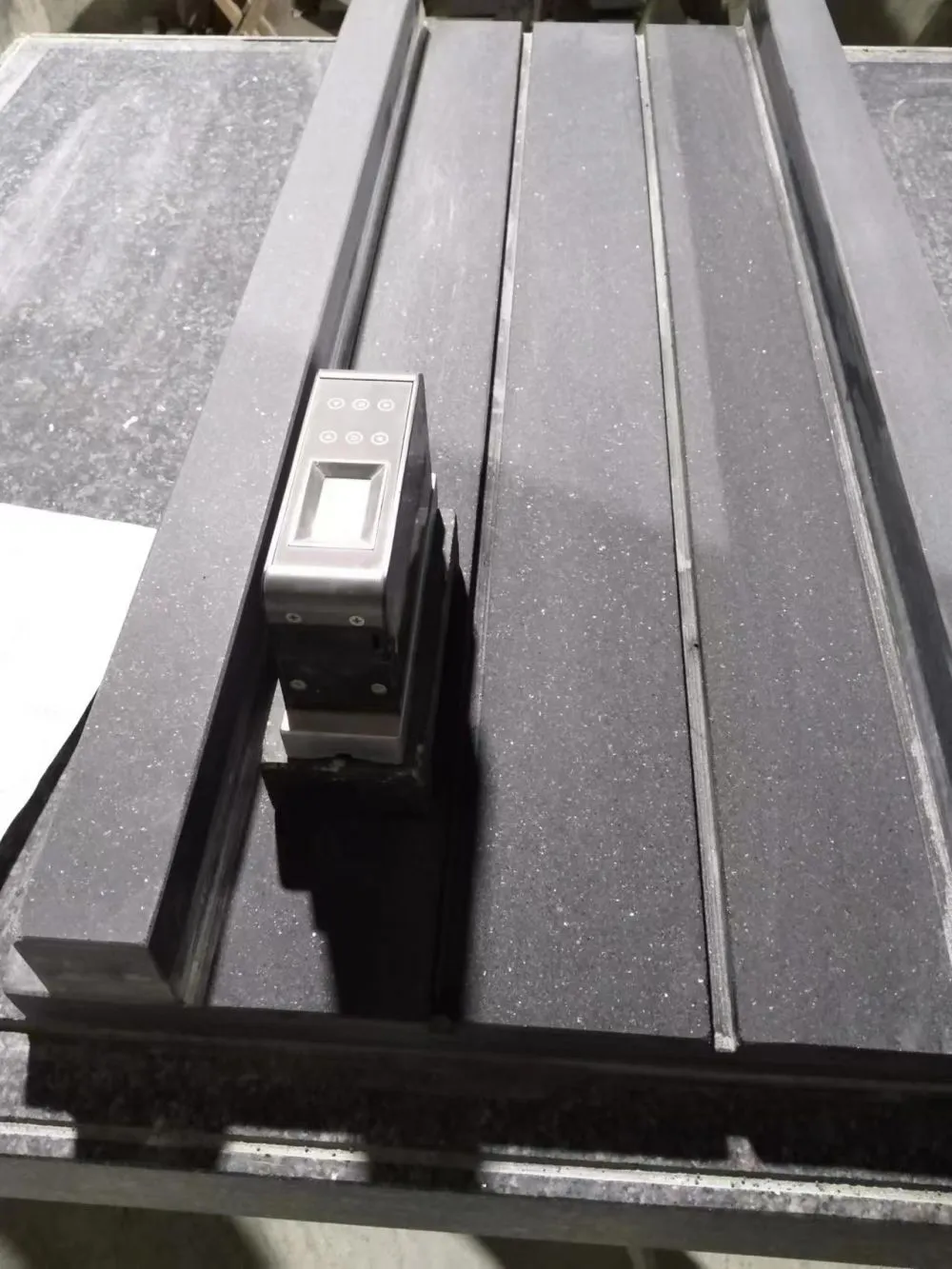
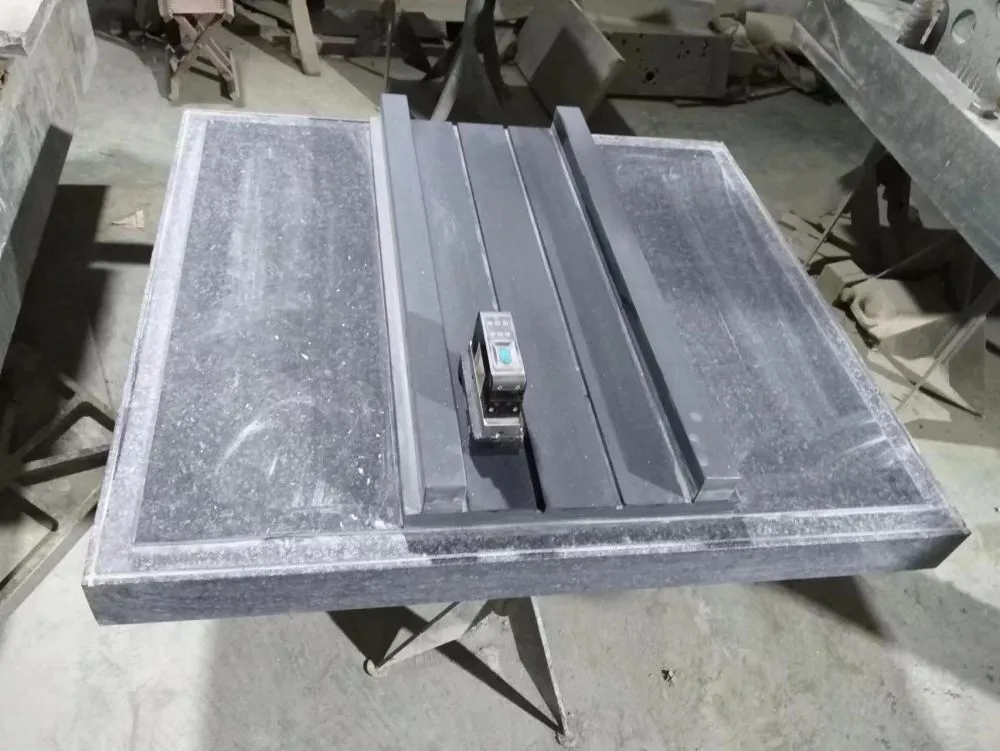
II. Principle of diagonal method measurement: The wisdom of simplifying complexity
The principle of the diagonal method to measure flatness is to measure the straightness error on two diagonals and several lines parallel to the diagonals of the granite precision platform, then evaluate the flatness of the entire plane. Simply put, it is to convert the complex flatness measurement into the measurement of multiple straight lines, which is both scientific and efficient
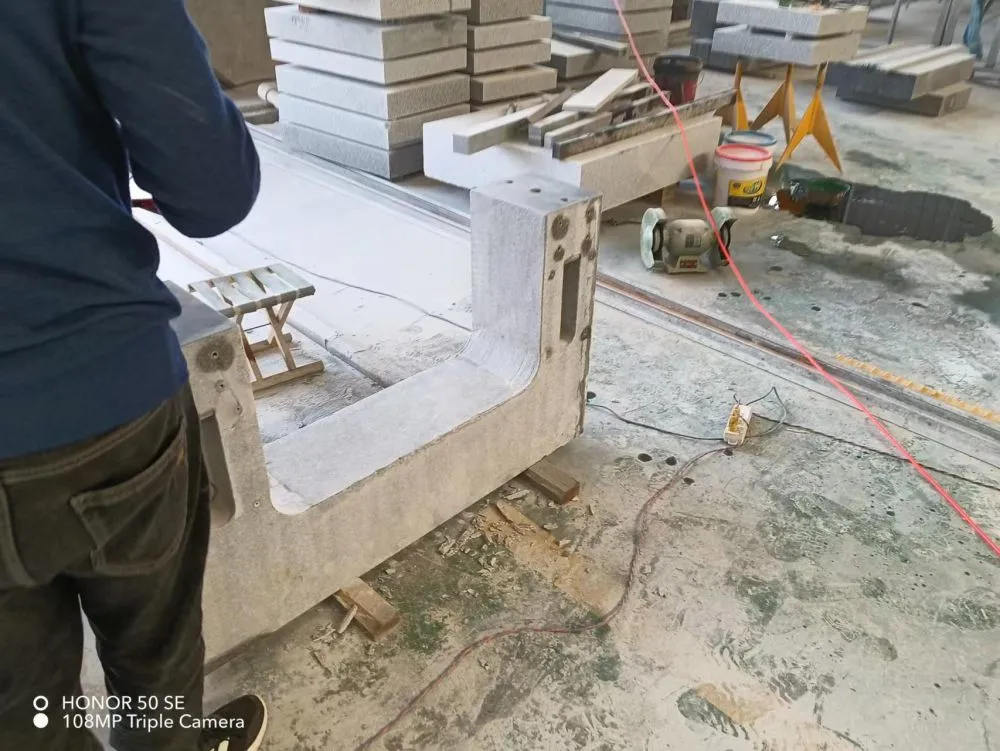
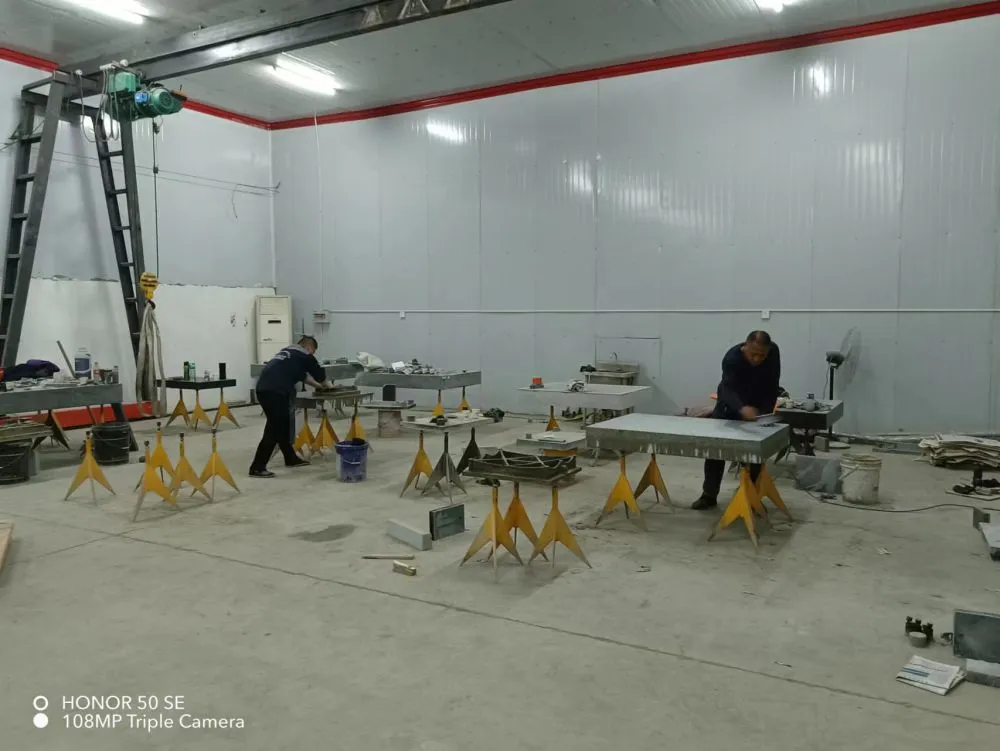
III. Specific measurement steps: Step by step, precise control
1. Determine the measurement points: On the granite precision platform, mark out two diagonals (such as the top left corner to the bottom right corner, from the top right corner to the bottom left corner), and divide the diagonals into several equal segments. Generally, it appropriate to divide into 5-10 segments according to the size and accuracy requirements of the platform. These equal points are our measurement points, and at the same time, several parallel to the diagonal are also selected, and the measurement points are marked.
2. Start measuring: Place the electronic level on the starting measurement point, level it, and then and record the data. Then move the electronic level along the diagonal or the cut line one by one, each moving one measurement interval, ensuring that the level is tightly attached to platform, avoiding any tilt or shake, and reading and recording the data at each measurement point. During the measurement process, attention should be paid to maintaining the continuity and consistency of the to prevent data deviation.
3. Data processing: After the measurement is completed, we get a series of data. Use the least squares method or other suitable methods to process these. Through professional data analysis software, the flatness error value of the granite precision platform can be calculated quickly and accurately. If there is no professional software, it can also be calculated, but it needs to be more careful to avoid calculation errors.
4. Result judgment: Compare the calculated flatness error value with the flatness tolerance requirements of the granite precision. If the error value is within the tolerance range, it indicates that the flatness of the platform meets the standard and can be used normally; if the error value exceeds the tolerance, the platform needs to be repaired or reprocessed until it meets the requirements.
Recently Posted
-
Why high-precision granite platforms are the cornerstone of high-end laser equipment
May 25, 2026Reasons why high-precision granite platforms become the cornerstone of high-end laser equipmentExcellent thermal stabilityThe coef Read More
 -
Provide some successful cases of special-shaped machining for granite equipment bases
May 19, 2026Case 1: Integral Custom Machined Granite Base for CMMProduct Application:High-precision bridge-type CMM base with hollowed-out wei Read More
 -
The influence of humidity on precision granite surface plate
February 28, 2026The impact of humidity on precision granite slabs / marble platforms, the core is: granite itself is very stable, but humidity can Read More
 -
Characteristics of Artificial Granite
February 25, 2026Characteristics of Artificial Granite▲ Material Composition and PreparationArtificial granite, also known as resin concrete or res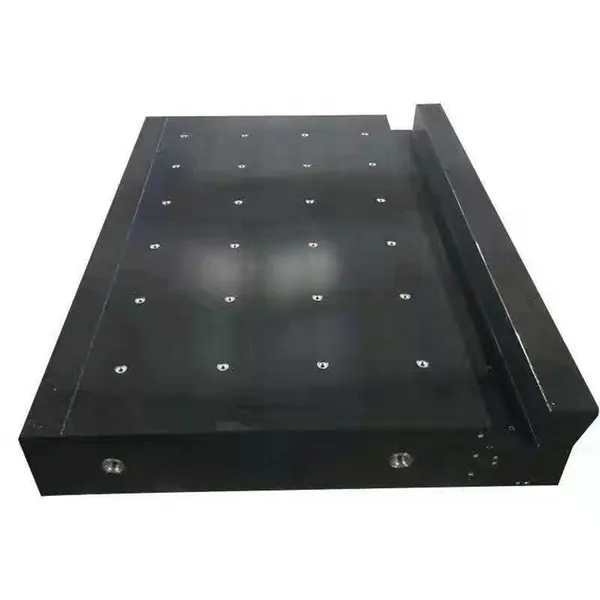 Read More

Contact Us
Recommended Products
-
 Marble Mechanical Non-standard Components Machine Base Inspection Platform Flat Plate Experiment Customization Special-shaped Components GraniteNegotiableMOQ: 1 Piece
 -
Marble Testing Platform High Precision 00 Grade Granite Testing Slab Granite Measuring Surface Inspection TableNegotiableMOQ: 1 Piece
-
High Precision 000 Grade Marble Measurement Inspection Test 90 Degree Granite Square Ruler; Flat Ruler; Angle RulerNegotiableMOQ: 1 Piece
-
Granite Platform Inspection Platform Measurement 00 Grade Precision Inspection Flat Plate Granite Stone Horizontal Workbench ManufacturerNegotiableMOQ: 1 Piece
-
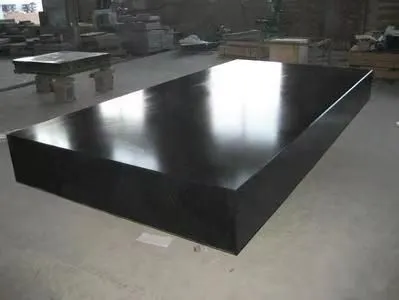
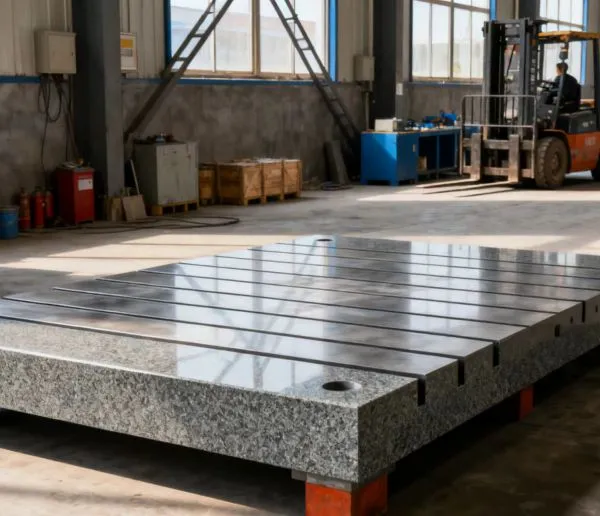
High Granite Surface Plate Granite Surface Plate Measurement Inspection Granite Workbench 00 Grade Bracket Custom DrillingNegotiableMOQ: 1 Piece
-
New Granite Inspection Surface Plate Drilling Component Base Precision Machine Tool Body Mechanical Cross Beam GraniteNegotiableMOQ: 1 Piece
-
00 Grade Jiqing Marble Testing Platform High Precision Granite Measuring Workbench Laboratory Inspection TableNegotiableMOQ: 1 Piece
-
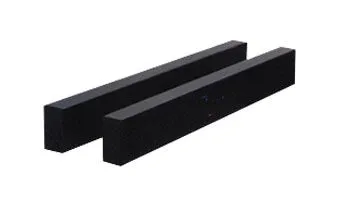
Marble Straightedge Granite Ruler Parallel Flat Ruler Strip Ruler 00 Grade Marble Test Flat RulerNegotiableMOQ: 1 Piece
-
Marble Parallel Gauge 00 Grade Vertical Parallel Detection Inspection Measurement Marking Etc High PrecisionNegotiableMOQ: 1 Piece
-
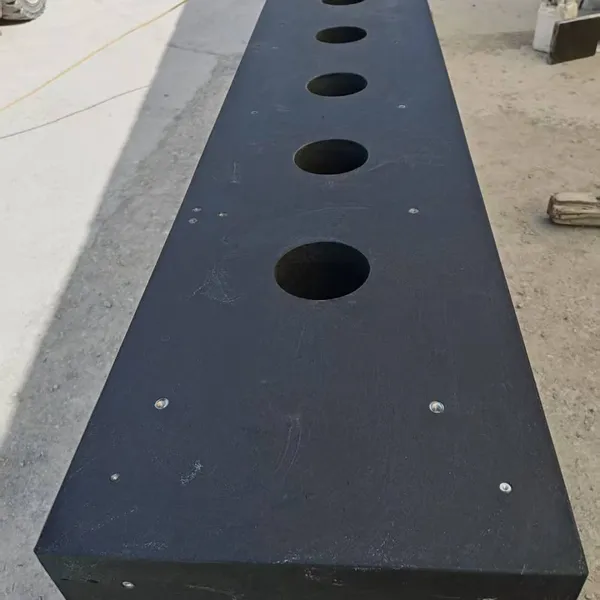
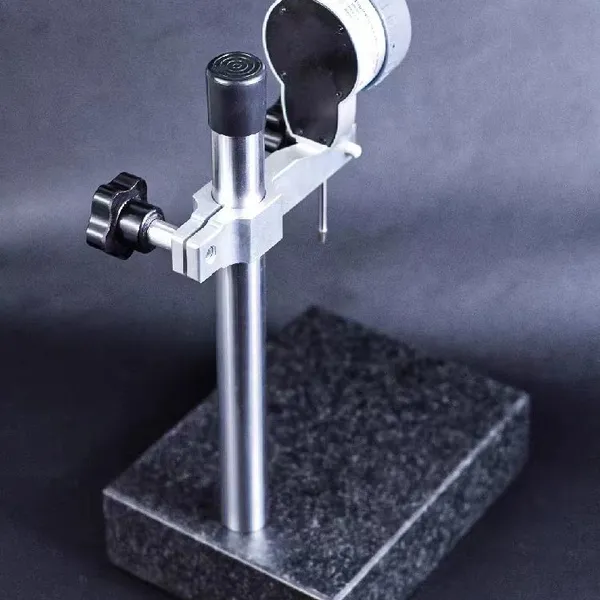
00 Grade Marble Test Bench Height Gauge Measuring Seat Marble Platform Dial Indicator Differential Indicator SeatUS$ 300 - 5000MOQ: 1 Piece
-
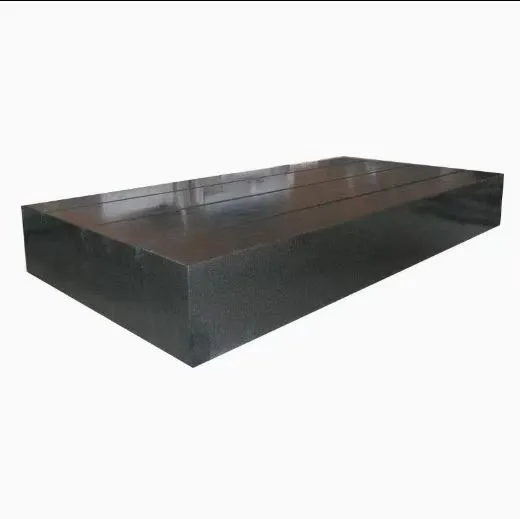
Marble Platform 00 Grade High Precision Granite Slab Grinding Inspection Line Inspection Platform Granite SlabUS$ 500 - 8000MOQ: 1 Piece
-
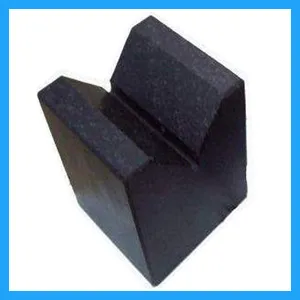
Jinan Qing00 Natural Marble Precision V-shaped Frame Natural Granite V-shaped Block Marking Line Level Shaft Type DetectionNegotiableMOQ: 1 Piece
-
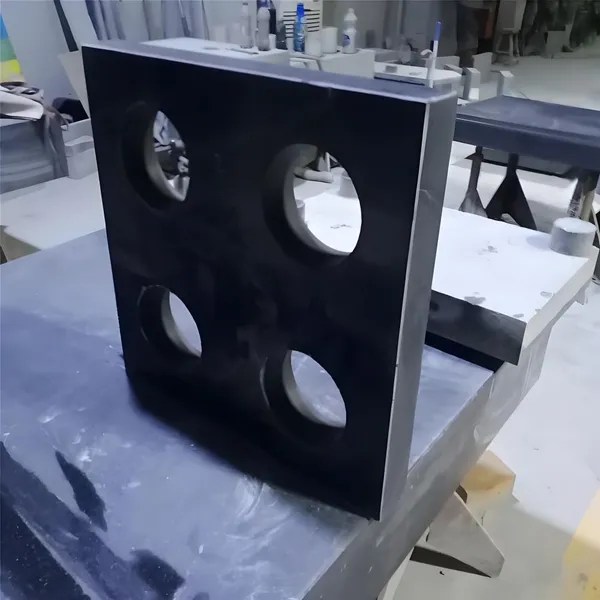
Marble Square Box 00 Grade Natural Marble Square Box High Precision Precision Granite Square Box Inspection and Marking Square BoxNegotiableMOQ: 1 Piece
-
High Precision Marble Mechanical Components Machine Bed Base Guide Beam Threaded Gantry Drilling Processing CustomizationUS$ 800 - 10000MOQ: 1 Piece
-
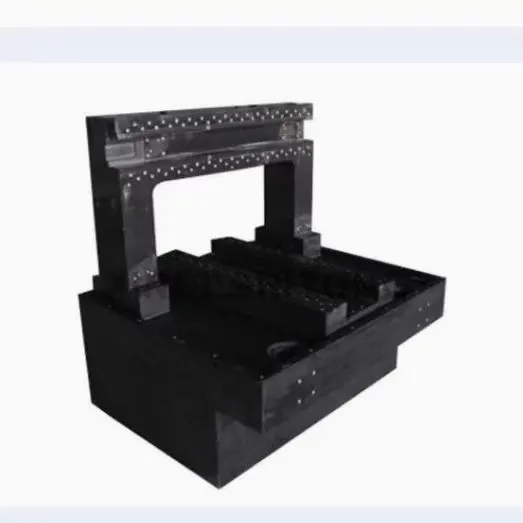
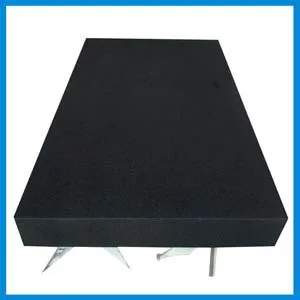
Marble Bed Body Gantry Components Three-axis Machine Frame Guide Rails Granite Optical Air Float Vibration Isolation Motion Platform CustomizationUS$ 300 - 10000MOQ: 1 Piece
-
Marble Straight Angle Rulerright Angle GaugeJinan Qing Stone Material 00 Grade High Precision 90 Degree Angle Ruler Direct SaleUS$ 100 - 2000MOQ: 1 Piece
-
00 Grade Marble Square Ruler for Testing Parallel Square Ruler Granite Inspection Square Gauge for Measuring Triangular Right Angle RulerUS$ 500 - 3000MOQ: 1 Piece
-
Marble Square Ruler 000 Grade; Jinan Granite Square Ruler 90 Degree Vertical Square Ruler High Precision Line Marking MeasurementUS$ 100 - 2000MOQ: 1 Piece
-
Marble Platform With Thickened Square Steel Bracket 00 Grade Adjustable Level Support Frame Adjusting Jacking Platform Base Granite Slab BottomUS$ 300 - 2000MOQ: 1 Piece