 Business License

Material characteristics of granite measuring tools
The material properties of granite measuring tools are as follows:
High hardness and wear resistance
The main mineral components of granite are quartz, feldspar, and a small amount of biotite, with a Mohs hardness of 6.5 or above and a Shore hardness (HS) of over 70. Its wear resistance is 5 times that of cast iron material, and the flatness error of the surface can be controlled within 1.5 μ m/1000mm after grinding, making it suitable for long-term use in heavy load environments.
Excellent thermal stability
The coefficient of linear expansion is extremely small (about 4.6 × 10 ⁻⁶/℃), comparable to indium steel, and is minimally affected by temperature fluctuations. Under normal temperature difference conditions (such as ± 2 ℃/24h), the deformation can be ignored to ensure stable measurement accuracy.
Corrosion resistance and weather resistance
Chemical stability, acid and alkali corrosion resistance, no rust, no need for oil maintenance. In harsh environments such as chemical workshops, it can still maintain a smooth surface and measurement accuracy, with a service life far exceeding that of metal measuring tools.
Diamagnetism and electrical insulation
As a non-metallic material, granite has no magnetization reaction, which can avoid the common magnetic interference problem of metal measuring tools. Simultaneously possessing electrical insulation properties, suitable for scenarios such as electronic component testing that require isolation of electromagnetic fields.
Uniform structure and long-term stability
After billions of years of natural aging treatment, the internal residual stress has completely disappeared, and the organizational structure is dense and uniform. The compressive strength reaches 245-280MPa, the bending strength is 35MPa, and it does not deform after long-term use, with excellent accuracy retention.
Low water absorption and easy maintenance
The water absorption rate is only 0.13%, making it difficult to adhere to dust or liquids, and easy to clean. Surface scratches or minor bumps (such as falling debris) do not affect the overall flatness and have low maintenance costs.
Processing accuracy and surface quality
By combining mechanical processing with manual precision grinding, a machining accuracy of 0.5 microns can be achieved. The surface roughness Ra value is as low as 0.32-0.63 μ m, and the contact points are evenly distributed, making it suitable for high-precision geometric parameter measurement.
Recently Posted
-
Why high-precision granite platforms are the cornerstone of high-end laser equipment
May 25, 2026Reasons why high-precision granite platforms become the cornerstone of high-end laser equipmentExcellent thermal stabilityThe coef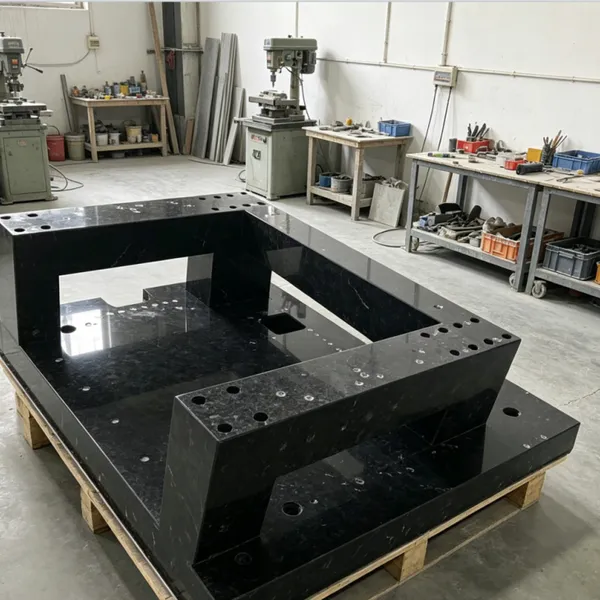 Read More
 -
Provide some successful cases of special-shaped machining for granite equipment bases
May 19, 2026Case 1: Integral Custom Machined Granite Base for CMMProduct Application:High-precision bridge-type CMM base with hollowed-out wei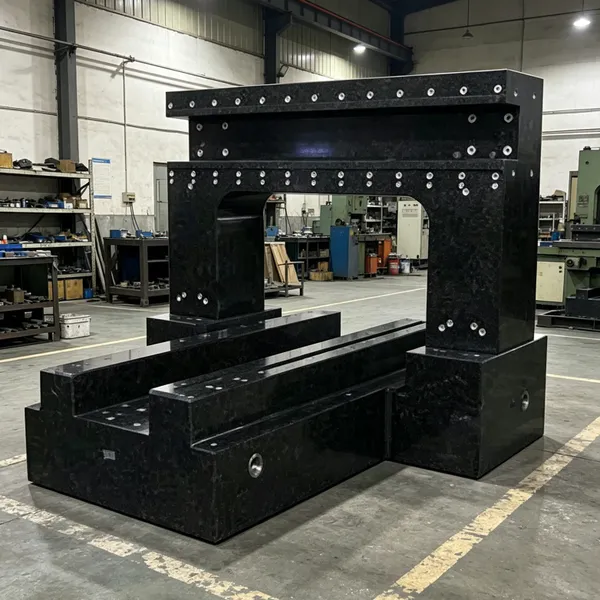 Read More
 -
The influence of humidity on precision granite surface plate
February 28, 2026The impact of humidity on precision granite slabs / marble platforms, the core is: granite itself is very stable, but humidity can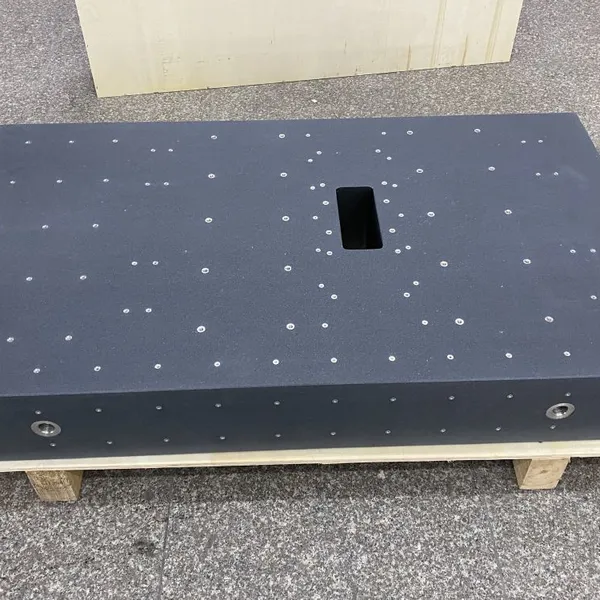 Read More
 -
Characteristics of Artificial Granite
February 25, 2026Characteristics of Artificial Granite▲ Material Composition and PreparationArtificial granite, also known as resin concrete or res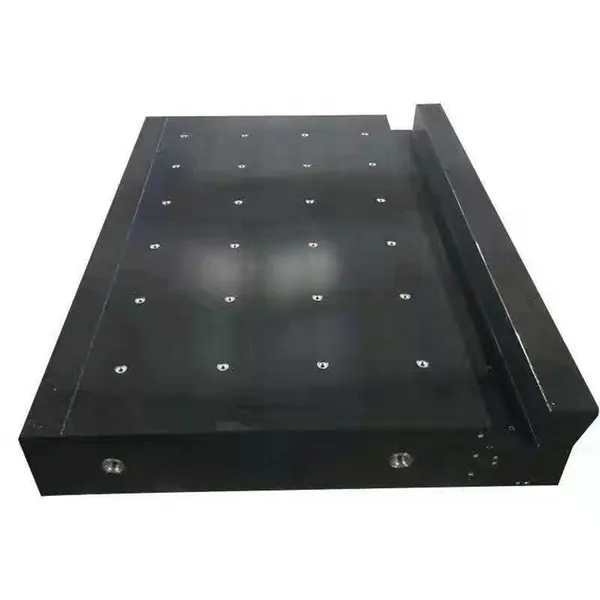 Read More

Contact Us
Recommended Products
-
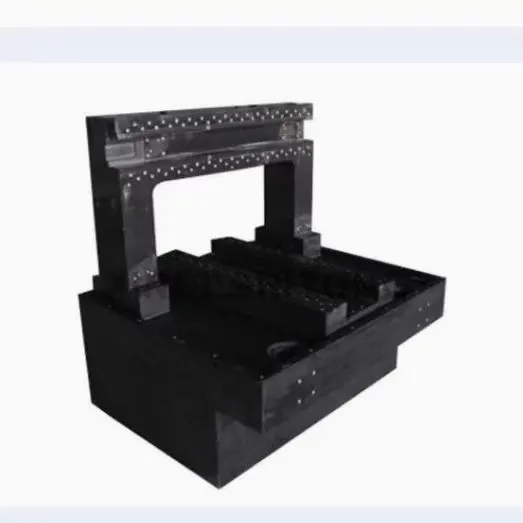
 Marble Mechanical Non-standard Components Machine Base Inspection Platform Flat Plate Experiment Customization Special-shaped Components GraniteNegotiableMOQ: 1 Piece
 -
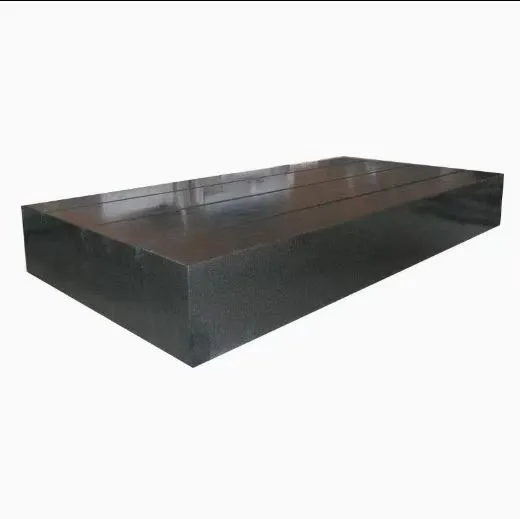
Marble Testing Platform High Precision 00 Grade Granite Testing Slab Granite Measuring Surface Inspection TableNegotiableMOQ: 1 Piece
-
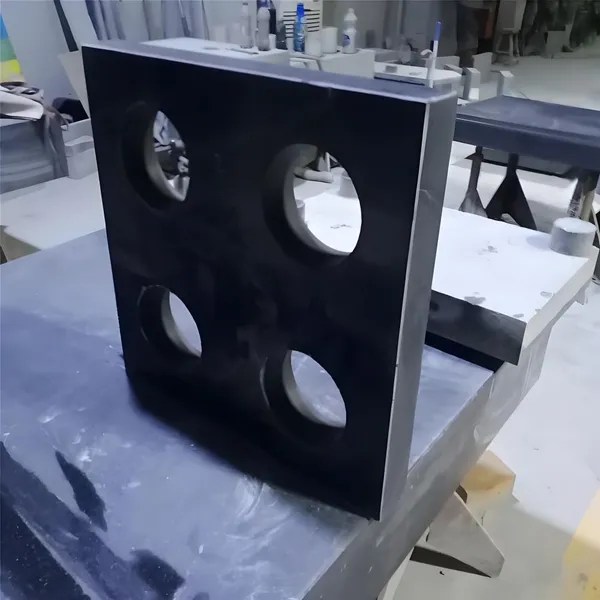
High Precision 000 Grade Marble Measurement Inspection Test 90 Degree Granite Square Ruler; Flat Ruler; Angle RulerNegotiableMOQ: 1 Piece
-
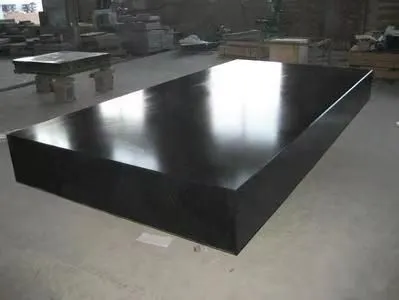
Granite Platform Inspection Platform Measurement 00 Grade Precision Inspection Flat Plate Granite Stone Horizontal Workbench ManufacturerNegotiableMOQ: 1 Piece
-
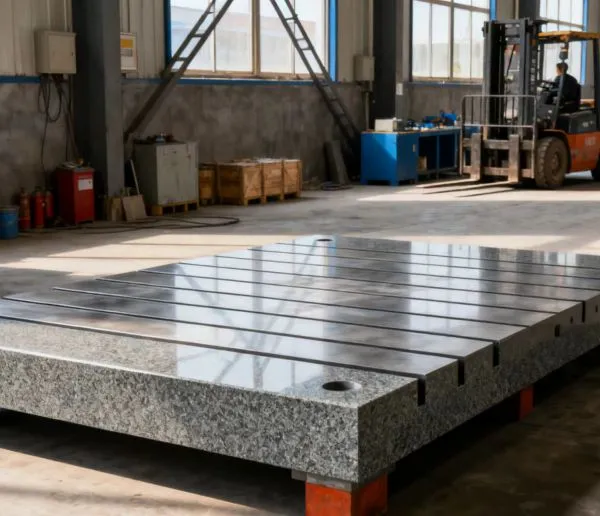
High Granite Surface Plate Granite Surface Plate Measurement Inspection Granite Workbench 00 Grade Bracket Custom DrillingNegotiableMOQ: 1 Piece
-
New Granite Inspection Surface Plate Drilling Component Base Precision Machine Tool Body Mechanical Cross Beam GraniteNegotiableMOQ: 1 Piece
-
00 Grade Jiqing Marble Testing Platform High Precision Granite Measuring Workbench Laboratory Inspection TableNegotiableMOQ: 1 Piece
-
Marble Straightedge Granite Ruler Parallel Flat Ruler Strip Ruler 00 Grade Marble Test Flat RulerNegotiableMOQ: 1 Piece
-
Marble Parallel Gauge 00 Grade Vertical Parallel Detection Inspection Measurement Marking Etc High PrecisionNegotiableMOQ: 1 Piece
-
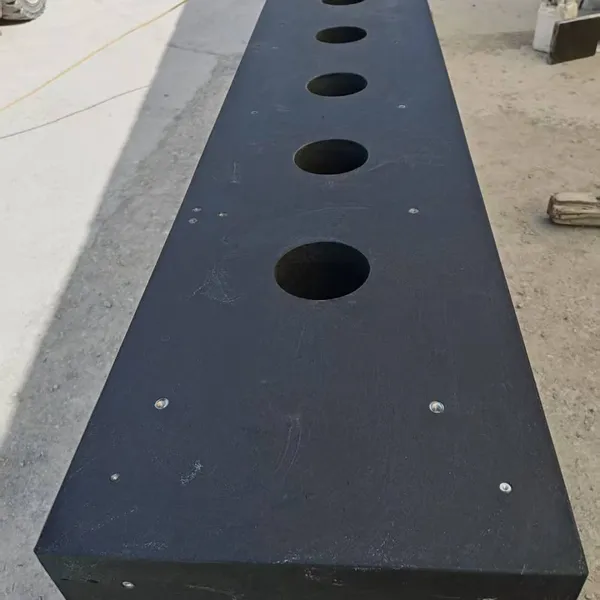
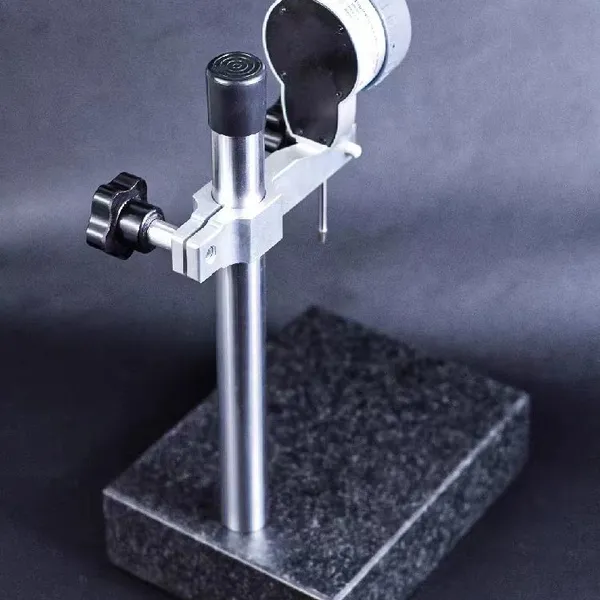
00 Grade Marble Test Bench Height Gauge Measuring Seat Marble Platform Dial Indicator Differential Indicator SeatUS$ 300 - 5000MOQ: 1 Piece
-
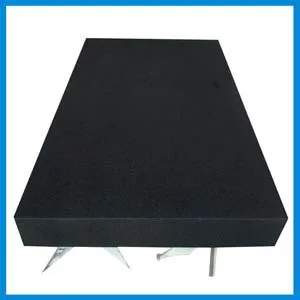
Marble Platform 00 Grade High Precision Granite Slab Grinding Inspection Line Inspection Platform Granite SlabUS$ 500 - 8000MOQ: 1 Piece
-
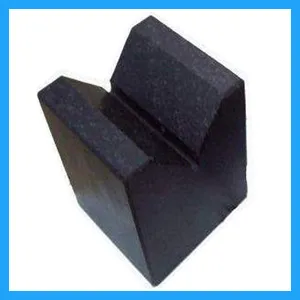
Jinan Qing00 Natural Marble Precision V-shaped Frame Natural Granite V-shaped Block Marking Line Level Shaft Type DetectionNegotiableMOQ: 1 Piece
-
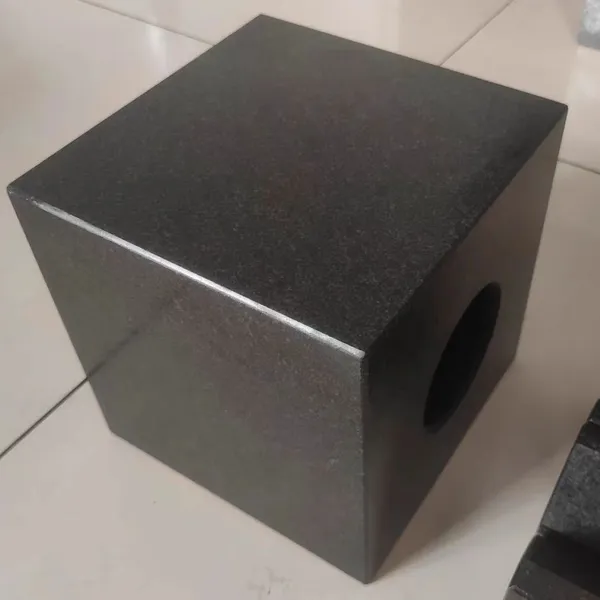
Marble Square Box 00 Grade Natural Marble Square Box High Precision Precision Granite Square Box Inspection and Marking Square BoxNegotiableMOQ: 1 Piece
-
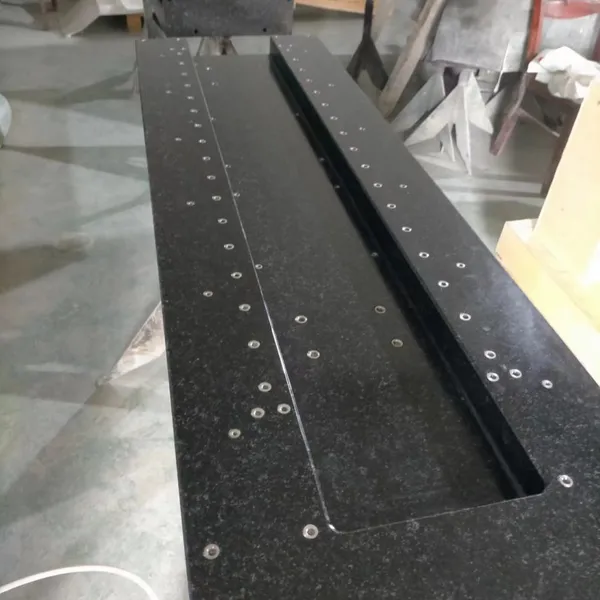
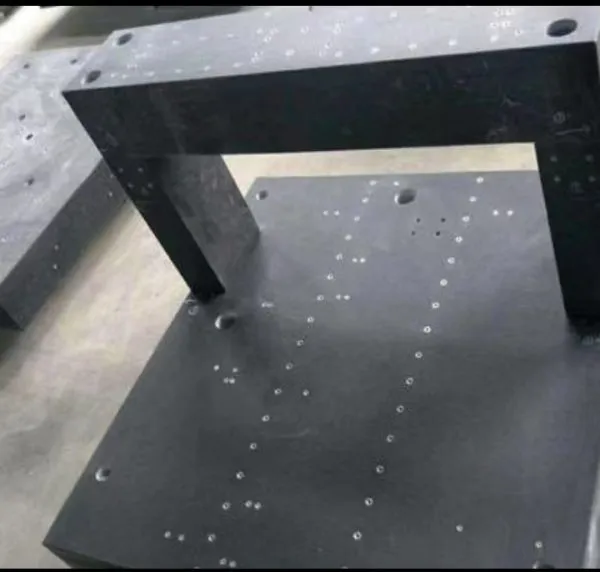
High Precision Marble Mechanical Components Machine Bed Base Guide Beam Threaded Gantry Drilling Processing CustomizationUS$ 800 - 10000MOQ: 1 Piece
-
Marble Bed Body Gantry Components Three-axis Machine Frame Guide Rails Granite Optical Air Float Vibration Isolation Motion Platform CustomizationUS$ 300 - 10000MOQ: 1 Piece
-
Marble Straight Angle Rulerright Angle GaugeJinan Qing Stone Material 00 Grade High Precision 90 Degree Angle Ruler Direct SaleUS$ 100 - 2000MOQ: 1 Piece
-
00 Grade Marble Square Ruler for Testing Parallel Square Ruler Granite Inspection Square Gauge for Measuring Triangular Right Angle RulerUS$ 500 - 3000MOQ: 1 Piece
-
Marble Square Ruler 000 Grade; Jinan Granite Square Ruler 90 Degree Vertical Square Ruler High Precision Line Marking MeasurementUS$ 100 - 2000MOQ: 1 Piece
-
Marble Platform With Thickened Square Steel Bracket 00 Grade Adjustable Level Support Frame Adjusting Jacking Platform Base Granite Slab BottomUS$ 300 - 2000MOQ: 1 Piece