 Business License

The treatment method for the precision deviation and stability decrease of the granite surface plate
Step 1: Comprehensive Diagnosis and Root Cause Analysis (Find the "Root Cause" before Prescribing the "Rem")
Firstly, it is imperative to cease operation on the high-precision workbench and conduct a systematic inspection.
1. Environmental Factors Check (The common yet easily overlooked reasons):
· Temperature Field Mapping: Use an infrared thermometer or temperature sensor to inspect the temperature distribution on the surface, bottom, and surrounding environment the workbench. Are there any instances of direct sunlight, air conditioning/heater vents blowing directly, nearby equipment heat sources, or excessive diurnal temperature differences? The environment is constant temperature (e.g., 20 ± 1℃), no gradients, no sudden changes.
· Vibration Test: Check if the is stable. Feel with your hand or a simple vibration meter, or observe whether the water surface in a cup placed on the workbench fluctuates. Are there any nearby vibration such as stamping machines, cranes, or heavy vehicles passing by?
· Humidity Check: Prolonged high humidity may affect the microstructure of the stone (although, it needs to be ruled out).
2. Inspection of the Workbench Itself and Its Installation:
· Support System Review: Check if the support (typically three points or Bessel/Airy points) are secure and evenly loaded. Are the support pads or anchor bolts loose? Incorrect support is the primary cause of selfweight deformation.
· Levelness Check: Use a high-precision electronic level to check if the overall levelness of the workbench has changed.
· Visual and Tactileion: Carefully inspect the surface for any new bumps, scratches, cracks, especially in critical measurement areas and edges.
3. Review of Usage History:
· Record: Has there been any overloading? Were there concentrated loads or eccentric loads?
· Operation Record: Were there any violations of operation (such as striking, dragging work)?
Step 2: Take corresponding measures according to the diagnosis results
Case A: Caused by environmental or factors (precision may partially recover)
· Measures:
1. Eliminate the source of interference: Move away heat sources, add air conditioning baffles, building insulation, set up isolation grooves or active isolation platforms.
2. Fully temperature-stable: Let the platform rest in a standard temperature-stable environment for at least24-48 hours to make its overall temperature uniform and stable.
3. Re-measure precision: After temperature stability, re-detect with autocollim, electronic level, or laser interferometer.
· Result judgment: If the precision recovers or approaches the original value, it indicates that the problem is caused by environmental-induced elastic. It is necessary to improve the environment permanently and use it in a standardized way.
Case B: Caused by improper support or stress release (precision loss is permanent, intervention is required)
· Measures:
1. Professional re-leveling and support: Hire experienced engineers, use torque wrenches, and re-level according to the platform's own weight and the designed support points. It may be necessary to adjust the position of the support points or add auxiliary support (to be carefully calculated)
2. On-site grinding repair (suitable for moderate misalignment):
· To be operated by professional metrology/repair team.
· Use granite grinding machines (equipped with diamond grinding discs) for grinding on the original site of the platform.
· Advantages: No need to move, avoid secondary damage, can restore high precision (usually can reach the original precision grade or slightly lower).
· Disadvantages: It will produce dust, need to do a good job of; will reduce the thickness of the platform (micron level).
3. Return to the factory for overhaul (suitable for serious misalignment, deformation, or damage): · Transport the platform back to the manufacturer or a large repair center.
· The process includes: thorough stress release (may re-age harden) → precise grinding a large gantry CNC grinder → comprehensive inspection → issue a new calibration report.
· Advantages: It can fundamentally solve the problem, restore it to a new, or even upgrade the precision.
· Disadvantages: High cost, long cycle, and high transport risk.
Case C: Caused by local damage ( as dents, scratches)
· Measures:
· Small-scale filling: For small pits, special granite epoxy resin repair agents can be used for filling grinding, and polishing. But this is mainly used for anti-corrosion and aesthetics, and cannot restore the original precision of the point, which should be marked as " using area".
· Local grinding: For shallow groups of scratches, local manual grinding can be performed, but the impact on the overall flatness needs to be evaluated.
Step 3: Post-repair Calibration and Long-term Prevention
1. Authoritative Calibration: Regardless of the method used, a comprehensive calibration must be performed by a qualified third-party metrology institute or the original manufacturer using high-precision instruments (such as laser plane interferometers), a new calibration certificate should be issued as the new "precision ID" for the platform.
2. Establishing a Preventive Maintenance System:
· Regular Inspect: Develop a schedule (e.g., every quarter or every six months) for quick inspections using simple tools (e.g., straightedge, level).
· Periodic Calibration: Establish a formal recalibration cycle (usually 6 months, 1 year, or 2 years) based on usage frequency and precision, and strictly adhere to it.
· Environmental Monitoring: Install a temperature and humidity logger near the platform to continuously monitor environmental conditions.
· Operator Training: Re- all operators to emphasize proper operation and daily maintenance (e.g., cleaning immediately after use, covering with protective caps).
Recently Posted
-
A marble platform for semiconductor production
June 4, 2026Specialized Marble Platform for Semiconductors (Core: High Stability Anti-static Nanometer Precision)Marble platforms for semicond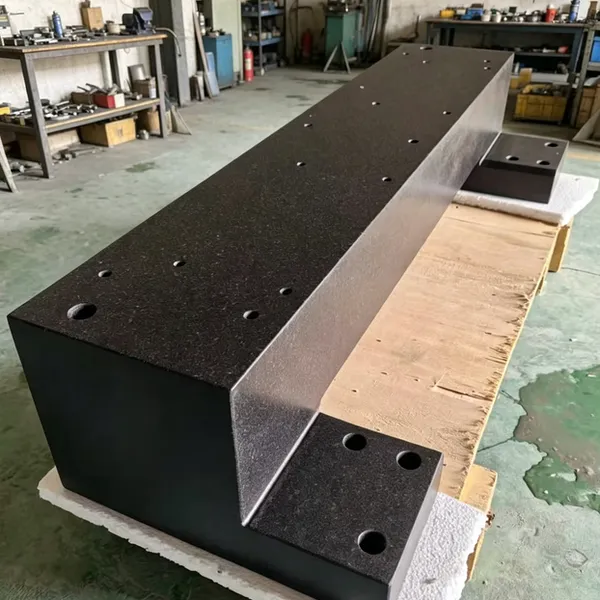 Read More
 -
How to handle gaps in a granite base?
June 3, 2026Please translate the following Chinese text into English:Cracks in granite bases (platforms) for semiconductors / precision equipm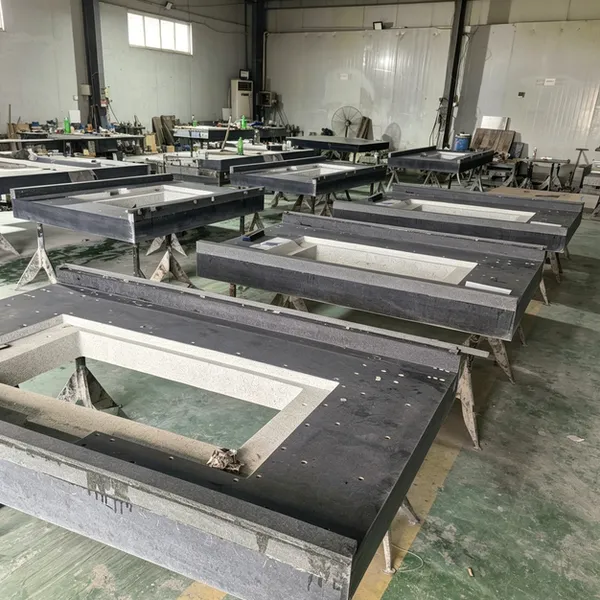 Read More
 -
Why high-precision granite platforms are the cornerstone of high-end laser equipment
May 25, 2026Reasons why high-precision granite platforms become the cornerstone of high-end laser equipmentExcellent thermal stabilityThe coef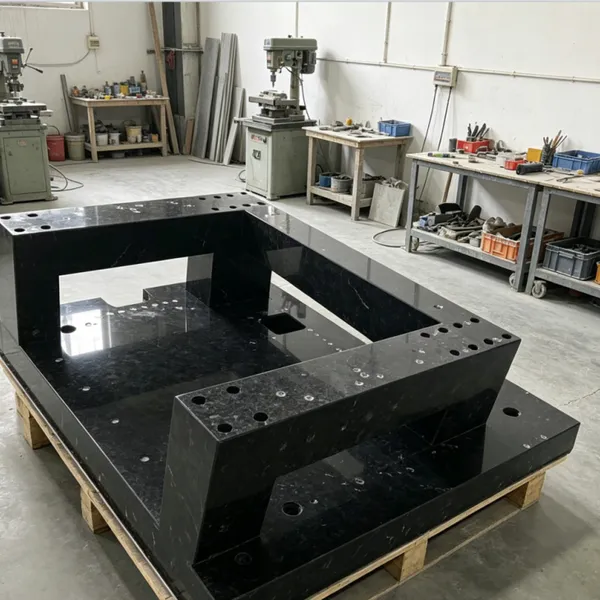 Read More
 -
Provide some successful cases of special-shaped machining for granite equipment bases
May 19, 2026Case 1: Integral Custom Machined Granite Base for CMMProduct Application:High-precision bridge-type CMM base with hollowed-out wei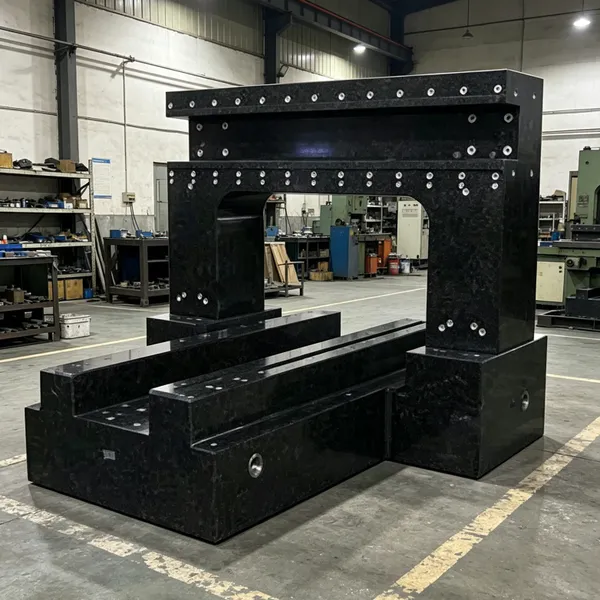 Read More

Contact Us
Recommended Products
-
 Marble Mechanical Non-standard Components Machine Base Inspection Platform Flat Plate Experiment Customization Special-shaped Components GraniteNegotiableMOQ: 1 Piece
 -
Marble Testing Platform High Precision 00 Grade Granite Testing Slab Granite Measuring Surface Inspection TableNegotiableMOQ: 1 Piece
-
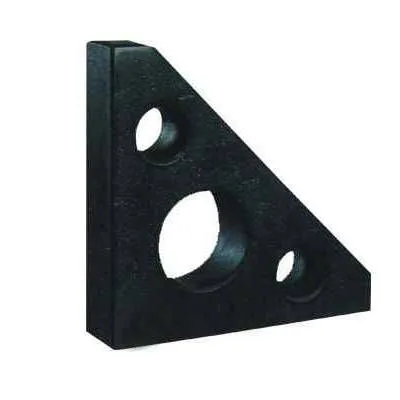
High Precision 000 Grade Marble Measurement Inspection Test 90 Degree Granite Square Ruler; Flat Ruler; Angle RulerNegotiableMOQ: 1 Piece
-
Granite Platform Inspection Platform Measurement 00 Grade Precision Inspection Flat Plate Granite Stone Horizontal Workbench ManufacturerNegotiableMOQ: 1 Piece
-
High Granite Surface Plate Granite Surface Plate Measurement Inspection Granite Workbench 00 Grade Bracket Custom DrillingNegotiableMOQ: 1 Piece
-
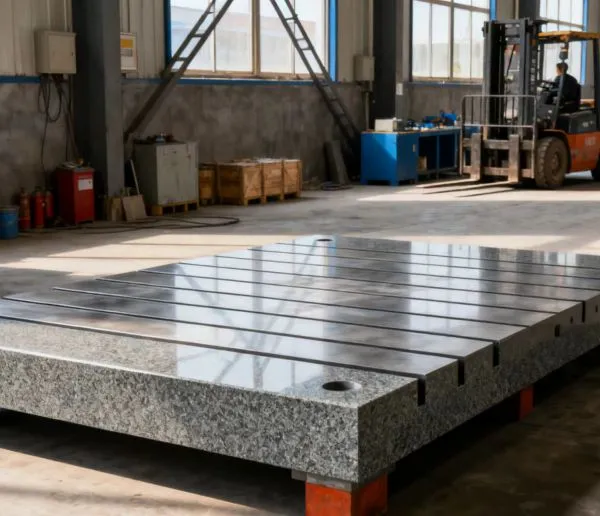
New Granite Inspection Surface Plate Drilling Component Base Precision Machine Tool Body Mechanical Cross Beam GraniteNegotiableMOQ: 1 Piece
-
00 Grade Jiqing Marble Testing Platform High Precision Granite Measuring Workbench Laboratory Inspection TableNegotiableMOQ: 1 Piece
-
Marble Straightedge Granite Ruler Parallel Flat Ruler Strip Ruler 00 Grade Marble Test Flat RulerNegotiableMOQ: 1 Piece
-
Marble Parallel Gauge 00 Grade Vertical Parallel Detection Inspection Measurement Marking Etc High PrecisionNegotiableMOQ: 1 Piece
-
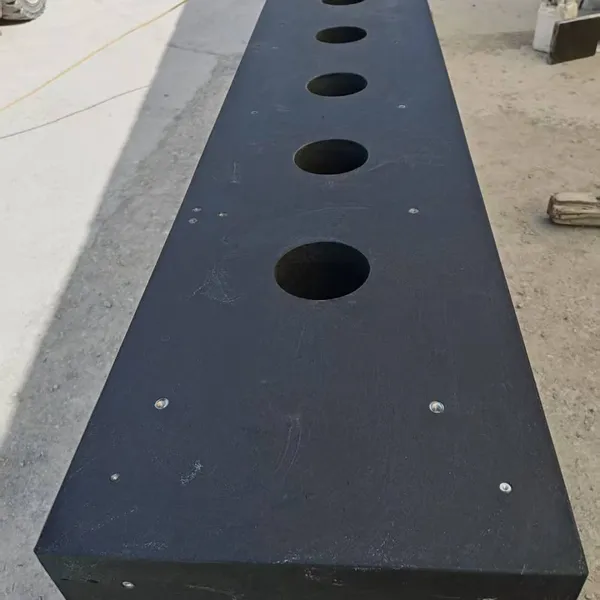
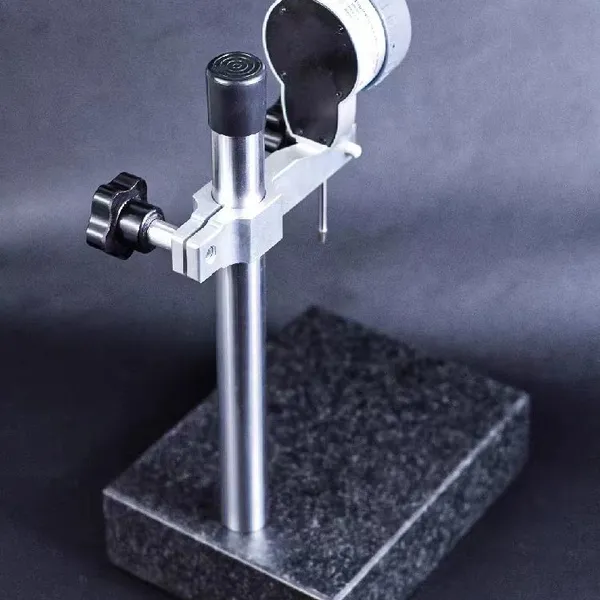
00 Grade Marble Test Bench Height Gauge Measuring Seat Marble Platform Dial Indicator Differential Indicator SeatUS$ 300 - 5000MOQ: 1 Piece
-
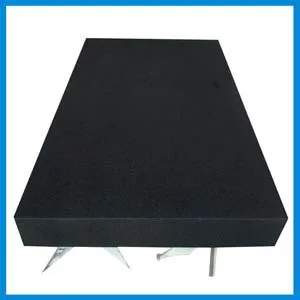
Marble Platform 00 Grade High Precision Granite Slab Grinding Inspection Line Inspection Platform Granite SlabUS$ 500 - 8000MOQ: 1 Piece
-
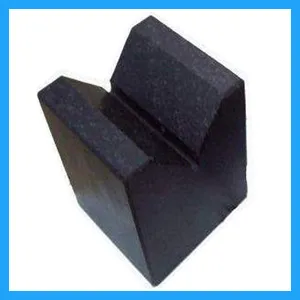
Jinan Qing00 Natural Marble Precision V-shaped Frame Natural Granite V-shaped Block Marking Line Level Shaft Type DetectionNegotiableMOQ: 1 Piece
-
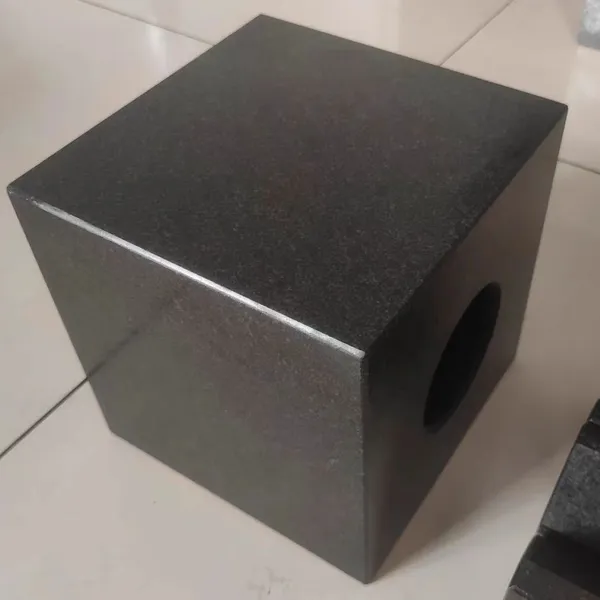
Marble Square Box 00 Grade Natural Marble Square Box High Precision Precision Granite Square Box Inspection and Marking Square BoxNegotiableMOQ: 1 Piece
-
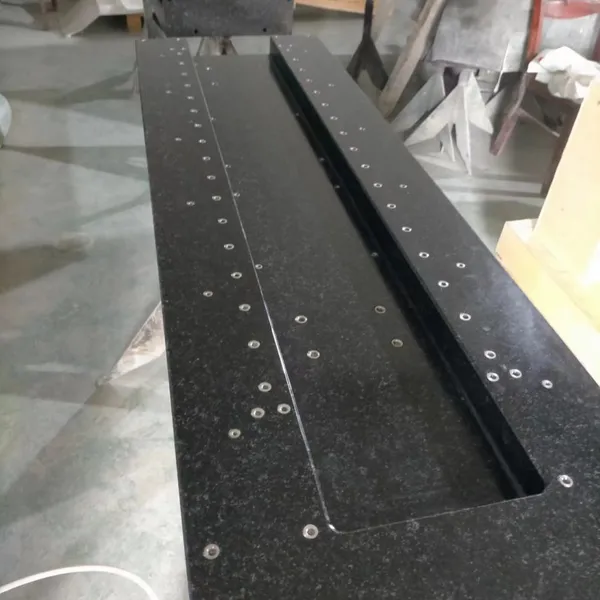
High Precision Marble Mechanical Components Machine Bed Base Guide Beam Threaded Gantry Drilling Processing CustomizationUS$ 800 - 10000MOQ: 1 Piece
-
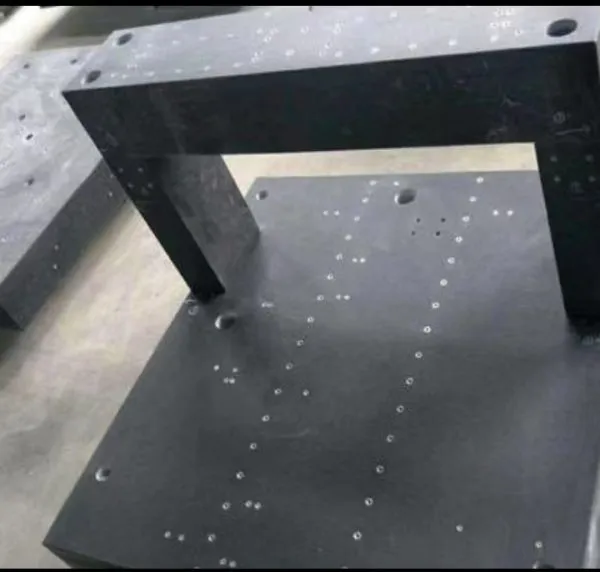
Marble Bed Body Gantry Components Three-axis Machine Frame Guide Rails Granite Optical Air Float Vibration Isolation Motion Platform CustomizationUS$ 300 - 10000MOQ: 1 Piece
-
Marble Straight Angle Rulerright Angle GaugeJinan Qing Stone Material 00 Grade High Precision 90 Degree Angle Ruler Direct SaleUS$ 100 - 2000MOQ: 1 Piece
-
00 Grade Marble Square Ruler for Testing Parallel Square Ruler Granite Inspection Square Gauge for Measuring Triangular Right Angle RulerUS$ 500 - 3000MOQ: 1 Piece
-
Marble Square Ruler 000 Grade; Jinan Granite Square Ruler 90 Degree Vertical Square Ruler High Precision Line Marking MeasurementUS$ 100 - 2000MOQ: 1 Piece
-
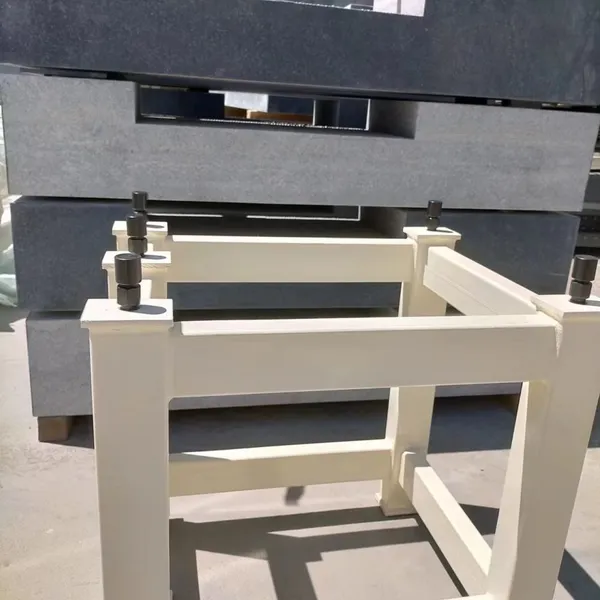
Marble Platform With Thickened Square Steel Bracket 00 Grade Adjustable Level Support Frame Adjusting Jacking Platform Base Granite Slab BottomUS$ 300 - 2000MOQ: 1 Piece